
What Happens During a Refinery Turnaround?
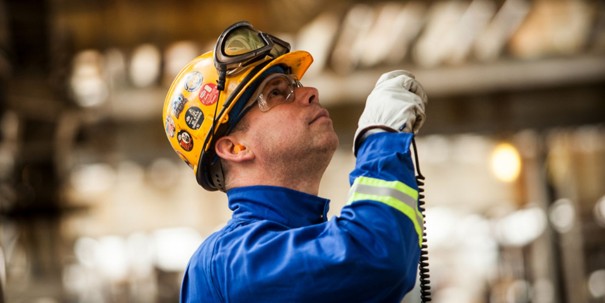
Refineries operate for extended periods, processing crude oil and other feedstocks into the fuels Canadians rely on every day. To keep equipment operating safely and reliably, facilities periodically undergo planned maintenance events known as turnarounds.
Why Do Refineries Need Turnarounds?
Refinery equipment operates under high temperatures and pressure and may contain fuels, gases and other materials. Certain inspections and repairs cannot be completed safely while equipment is running. Before work can begin, affected units must be shut down, isolated and cleaned.
Turnarounds take years to plan and require close coordination among specialized workers, contractors and suppliers. Every stage, from shutdown and equipment preparation through inspection and repairs to the safe restart, must be carefully sequenced. These projects can bring hundreds or even thousands of additional skilled workers to a site.
What Might Nearby Communities Notice?
During a turnaround, a refinery may look and sound busier than usual, with more worker and equipment traffic, additional lighting and noise from around-the-clock work. Flaring may also become more noticeable during shutdowns and startups. Flaring is a safety process that involves burning excess flammable gases that cannot be recovered or processed under certain operating conditions. These gases may be directed to a flare system during changes in refinery operations, and flames can be larger or more visible.
While these sights and sounds may be unfamiliar to neighbours, they can be part of the planned process of shutting down equipment, carrying out maintenance and safely returning it to service. Learn more about how flaring works at a refinery.
How is Fuel Supply Managed During Maintenance?
Keeping fuel moving involves more than the operations within an individual refinery. Turnarounds are scheduled well in advance, allowing companies to plan inventories, transportation and other supply arrangements around anticipated changes in production. Maintenance can also be carried out in stages. Not every unit within a refinery necessarily shuts down at the same time, and other parts of a facility may continue operating while work takes place elsewhere. Coordinating maintenance with supply planning helps companies manage these changes while supporting the continued movement of fuel through Canada’s distribution network. Learn more about how fuel is distributed across Canada.
Why Do Refinery Turnarounds Matter?
Reliable fuel supply depends on infrastructure that is maintained, inspected and ready to operate when Canadians need it. Planned maintenance is an essential part of that work. Turnarounds require investment, skilled workers and careful coordination, helping facilities address equipment needs and maintain safe, reliable operations over the long term. Canada’s fuel system depends on this ongoing work behind the scenes. Reliability is built well before a disruption occurs, through sustained investment, careful planning and the people who keep critical infrastructure operating.
